
Fix Advices
No Crank or Click When Turning the Key: A Guide for Automotive DIYers
Written by R&D
November 24th, 2025

As an Amazon associate, we earn from qualifying purchases.
A vehicle that fails to crank or produce a clicking sound when the key is turned can be frustrating and indicate underlying electrical or mechanical issues. This article explores what this symptom means, outlines common causes, and provides practical troubleshooting strategies to resolve the issue effectively.
What Does No Crank or Click When Turning the Key Mean?
When turning the ignition key or pressing the start button, the starter motor should engage and crank the engine. However, if there is a complete lack of response - neither a cranking event nor a clicking sound - it often indicates an issue within the starting system, preventing the engine from receiving the power needed to initiate the cranking process. Identifying the root cause is essential to restoring the vehicle's proper starting function.
Common Causes of No Crank or Click When Turning the Key
1. Battery Issues
A fully charged and functional battery is essential for supplying the proper voltage to the starter motor. If the voltage is insufficient, the starter motor will not engage. Several battery-related issues can prevent the starter motor from receiving adequate power to initiate the cranking process:
- Dead or Weak Battery: This is the most common cause of the no-crank issue. A completely discharged or weak battery cannot provide the necessary power to engage the starter motor.
- Defective Battery Terminals: Loose or corroded battery terminals can restrict electrical current flow, preventing the starter motor from receiving sufficient power to crank the engine.
2. Ignition Switch Problems
The ignition switch transmits an electrical signal from the ignition key to the starter circuit. If issues within the switch occur, the engine will not crank.
- Faulty Ignition Switch: A malfunctioning ignition switch may fail to send the necessary electrical signal to the starter motor, preventing it from engaging.
- Worn Contacts or Damaged Wiring: Corroded contacts or damaged wiring within the ignition switch can disrupt the electrical circuit, preventing power from reaching the starter motor.
3. Defective Starter Motor or Solenoid
The starter motor and solenoid work together to engage and crank the engine. If either component fails, the engine will not start.
- Faulty Starter Motor: The starter motor is responsible for turning the engine over. Internal damage, worn brushes, or a failing solenoid can prevent it from functioning, leading to a no-crank issue.
- Faulty Starter Solenoid: The starter solenoid engages the starter motor when the ignition is turned. A defective solenoid may fail to complete the electrical circuit, preventing the starter from operating. Additionally, damaged or corroded wiring to the solenoid can disrupt the electrical signal, preventing the starter motor from engaging.
4. Blown Fuse or Faulty Starter Relay
The starting system relies on fuses and relays to regulate power flow from the battery to the starter. A failure in either component can prevent the engine from cranking.

- Blown Starter Circuit Fuse: If a fuse in the starter circuit is blown, it will cut off power to the starter system, hindering the vehicle’s starting capability.
- Faulty Starter Relay: If the relay fails internally, it can block voltage from reaching the starter solenoid, stopping the engine from cranking.
5. Neutral Safety Switch or Clutch Safety Switch Failure
These safety switches ensure that the engine only starts under proper conditions - when the transmission is in Park or Neutral (for automatic vehicles) or when the clutch pedal is fully pressed (in manual vehicles). If a switch fails or becomes misaligned, it may incorrectly signal that the vehicle is in gear or fail to detect the clutch pedal position, preventing the starter circuit from engaging.
6. Other Electrical Problems
Additional electrical issues can also lead to a no-crank condition, affecting the starter circuit’s ability to function properly.
- Loose or Corroded Power Connections: Poor connections in the battery cables, ground straps, or starter circuit can restrict electrical flow, leading to a no-crank issue.
- Faulty Engine Control Unit (ECU): In rare cases, a malfunctioning ECU may fail to send the proper signal to engage the starter motor due to a software fault or a communication error.

Find the perfect scanner in 1 minute
Troubleshooting Steps
Before attempting any repairs, follow these steps to identify the root cause of the “No Crank or Click When Turning the Key” issue:
1. Check for Diagnostic Trouble Codes (DTCs)

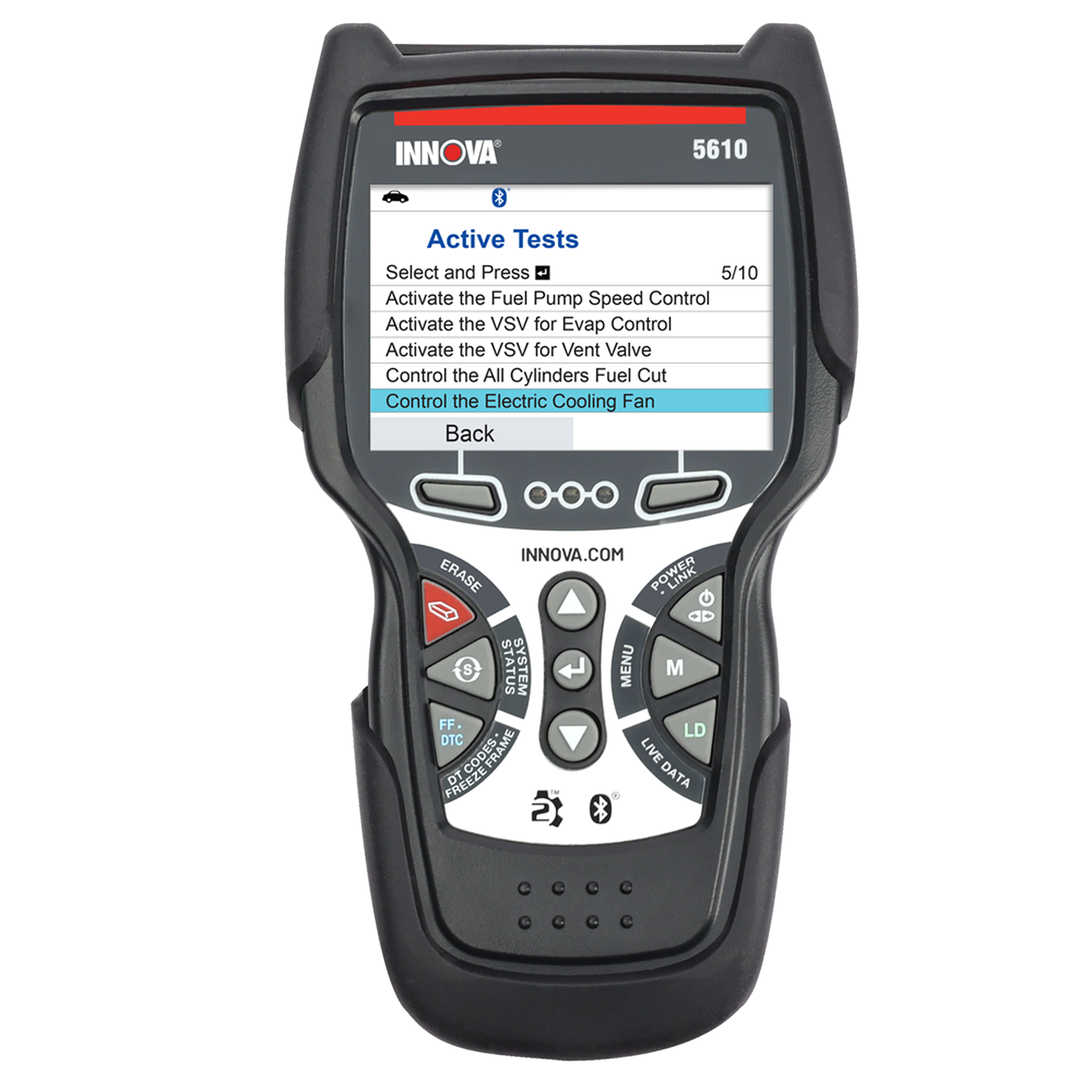
- Use an On-Board Diagnostic (OBD2) Scan Tool to retrieve stored trouble codes related to the ECU, starting or electrical system. Refer to your vehicle's service manual to interpret the DTCs and identify potential problem areas.
2. Check Battery Voltage and Connections
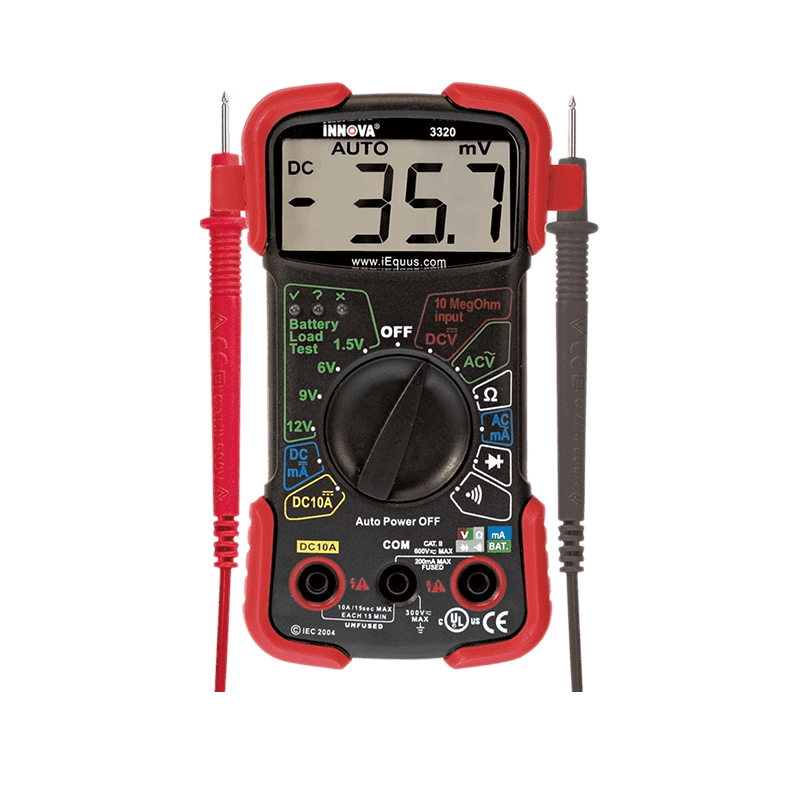
- Test Battery Voltage: Use a Digital Multimeter (DMM) to measure battery voltage. A fully charged battery should read approximately 12.6V with the engine off. If it measures below 12.4V, the battery may be weak or discharged.
- Check Battery Terminals: Inspect the battery terminals for corrosion or looseness. Clean any corrosion using a wire brush and tighten any loose connections to ensure proper electrical contact.
- Perform a Load Test: If the battery voltage is low, try jump-starting the vehicle. If the engine starts, the battery may need replacement. If the battery fails a load test, replace it.
3. Inspect the Ignition Switch Functionality
- Check for Dashboard Light Response: Turn the key to the ON position. If dashboard lights do not illuminate, the ignition switch may be faulty.
- Test for Voltage at the Ignition Switch: Use a DMM to check for voltage at the ignition switch input and output terminals while turning the key to the START position. No voltage output indicates a failed switch.
- Inspect Wiring Connections: Check for loose, damaged, or corroded wiring around the ignition switch. Repair or replace wiring as needed.
4. Test the Starter Motor and Solenoid
- Listen for Clicking Sounds: If there is a single click when turning the key, the starter solenoid may be engaging but not transferring power to the starter motor.
- Perform a Voltage Drop Test: While attempting to start the vehicle, use a DMM to check for voltage at the starter motor terminal. If voltage is present (at least 10.5V) but the motor does not engage, the starter motor may be faulty.
- Check the Starter Solenoid Connections: Inspect for corroded or loose wiring at the solenoid. Check for voltage at the starter solenoid with a test light or multimeter when turning the key. If no voltage is present, a faulty ignition switch, relay, or fuse could be the issue.
5. Inspect the Starter Circuit Fuse and Relay

- Locate and Check the Starter Fuse: Refer to the vehicle’s fuse diagram to locate starter-related fuses. Check for blown fuses and replace them if necessary.
- Test the Starter Relay: Use a DMM to check for continuity in the starter relay according to the manufacturer’s specifications. Alternatively, swap it with a similar relay from another system (e.g., horn relay) to test functionality. If the engine starts, the original relay is faulty and needs replacement.
6. Verify Neutral Safety or Clutch Safety Switch Operation
- For Automatic Transmissions: Ensure the gear selector is in Park (P) or Neutral (N) and try starting the engine. If it cranks in Neutral but not in Park, the neutral safety switch may be misaligned or faulty.
- For Manual Transmissions: Fully press the clutch pedal while starting. If the engine cranks when pressing the pedal harder, the clutch safety switch may be failing.
- Test for Voltage at the Switch: Use a DMM to check for voltage at the safety switch when turning the key. No voltage signal indicates a faulty switch.
7. Inspect Other Electrical Components
- Check Ground and Power Connections: Inspect and clean ground connections at the battery, chassis, and engine block. Loose or corroded grounds can disrupt the starter circuit.
- Test the ECU: Some modern vehicles rely on ECU signals to activate the starter. Diagnose the ECU using an OBD2 Scan Tool. If necessary, reprogram, repair, or replace it to restore proper functionality. Refer to the vehicle’s service manual for specific diagnostic procedures.
Preventative Tips

- Perform Regular Maintenance: Follow the manufacturer’s recommended maintenance schedule to ensure all electrical and starting system components remain in optimal condition.
- Regular Battery Checks: Keep terminals clean and test battery charge periodically to prevent unexpected failures.
- Inspect Wiring and Connections: Ensure starter cables, ground straps, and ignition wiring remain intact and corrosion-free.
- Check for Early Warning Signs: Difficulty starting, dimming lights, or intermittent no-crank conditions should be addressed promptly.
- Use Quality Components: Ensure replacement parts, such as batteries, ignition switches, and relays, meet OEM specifications for reliability.
Conclusion
A no-crank, no-click condition when turning the ignition key can be frustrating, but understanding its causes and following a systematical troubleshooting process makes diagnosing the issue manageable. By checking the battery, ignition system, starter motor, and electrical connections, the underlying issue can be identified and resolved. Always refer to the vehicle’s service manual for specific testing procedures and specifications. If the problem persists, consulting a professional mechanic may be necessary. Happy DIY-ing!
Explore Our Products

OBD2 Handheld Scanners

OBD2 Bluetooth Scanners

OBD2 Tablet Scanners

OBD1 Tools

Multimeters

Inspection Cameras
Have Questions?
Hop in the discussion board on our community site!
It's a place where we help each other answer questions. Like Reddit but for automotive lovers.

Looking for a car scanner?
Looking for a car scanner?
Take our quiz! It’s short, fun, and accurate.
Help Me Choose
