
Fix Advices
Overheating Ignition Coils: A Guide for Automotive DIYers
Written by R&D
December 1st, 2025
As an Amazon associate, we earn from qualifying purchases.
Ignition coils play a crucial role in converting low-voltage power from the battery into the high voltage required to ignite the air-fuel mixture in the engine. However, when an ignition coil overheats, it can lead to various engine problems, including misfires, decreased performance, and even engine damage. This article defines what overheating ignition coils means, identifies common causes, and offers practical solutions to troubleshoot and resolve this issue effectively.
What Does Overheating Ignition Coils Mean?
Overheating ignition coils refers to a condition where the ignition coils operate at excessively high temperatures, leading to premature failure. When ignition coils overheat, they may degrade internally, causing intermittent or complete ignition failure. This results in poor engine performance and drivability issues.
Common Causes of Overheating Ignition Coils
1. Excessive Electrical Resistance
Excessive resistance in the ignition system forces the ignition coil to work harder to generate the necessary voltage, leading to overheating and premature failure. Key contributors to excessive resistance include:
- Aging Spark Plugs: Over time, spark plugs wear out, causing increased resistance in the ignition circuit. This forces the coil to output higher voltage to compensate, leading to excessive heat buildup.
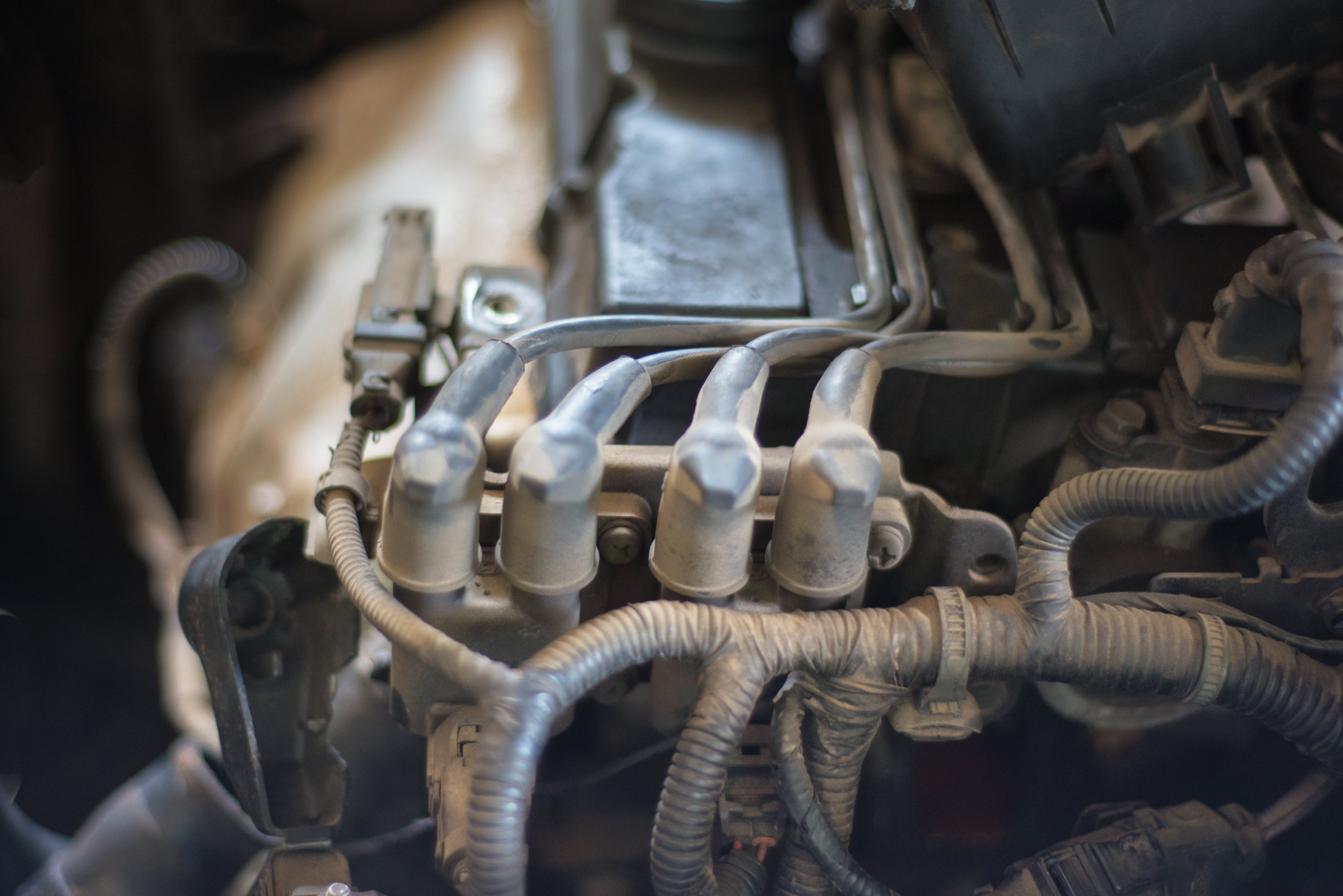
- Damaged Spark Plug Wires or Coil-on-Plug (COP) Boots: In vehicles with traditional spark plug wires, damaged insulation or internal wire breaks can increase resistance, reducing efficiency and causing ignition coil stress. For COP systems, deteriorated or cracked boots can lead to misfires and overheating due to poor electrical conductivity.
2. Faulty Spark Plugs

- Incorrectly gapped spark plugs: If a spark plug has an excessively large gap, the ignition coil must generate higher voltage to create a stronger spark. This increased demand forces the ignition coil to operate beyond its intended capacity, leading to overheating and eventual breakdown.
- Defective or degraded spark plugs: Spark plugs with eroded electrodes or excessive carbon buildup may fail to ignite the air-fuel mixture efficiently. This forces the ignition coil to compensate by delivering repeated high-energy sparks, increasing its temperature and leading to premature failure.
3. Poor Grounding or Electrical Issues
A weak ground connection or electrical faults can cause excessive current draw, leading to ignition coil overheating.
- Poor Grounded Connection: If the ignition coil’s grounding is weak or corroded, it can cause an inefficient flow of electricity, leading to excessive heat buildup. Proper grounding ensures stable voltage regulation within the ignition system.
- Electrical Shorts and Damaged Wiring: Frayed or damaged wiring in the ignition circuit can create short circuits, leading to erratic voltage supply and increased heat production in the coil.
- Failing Engine Control Module (ECM): The ECM regulates the timing and power sent to the ignition coil. A failing module can provide inconsistent signals, causing the coil to overwork and overheat.
4. Voltage Supply Issues
A stable voltage supply is essential for ignition coil longevity. If the alternator or voltage regulator malfunctions, it may supply excessive voltage to the ignition coil, causing it to overheat. This overvoltage forces the coil to generate more heat than it is designed to handle, leading to premature failure. A voltage reading exceeding the manufacturer’s specifications indicates a potential charging system issue that should be addressed promptly.
5. Cracked or Deteriorated Coil Housing
The ignition coil's housing provides insulation and heat protection. When it becomes cracked or degraded due to age, heat, or exposure to engine contaminants, it compromises the coil’s ability to dissipate heat properly. This leads to overheating and potential coil failure. Cracks in the housing can also allow moisture and debris to enter, leading to short circuits that further stress the coil.

Find the perfect scanner in 1 minute
Troubleshooting Steps
Before attempting any repairs, follow these steps to identify the root cause of the “Overheating Ignition Coils” issue:
1. Check for Diagnostic Trouble Codes (DTCs)

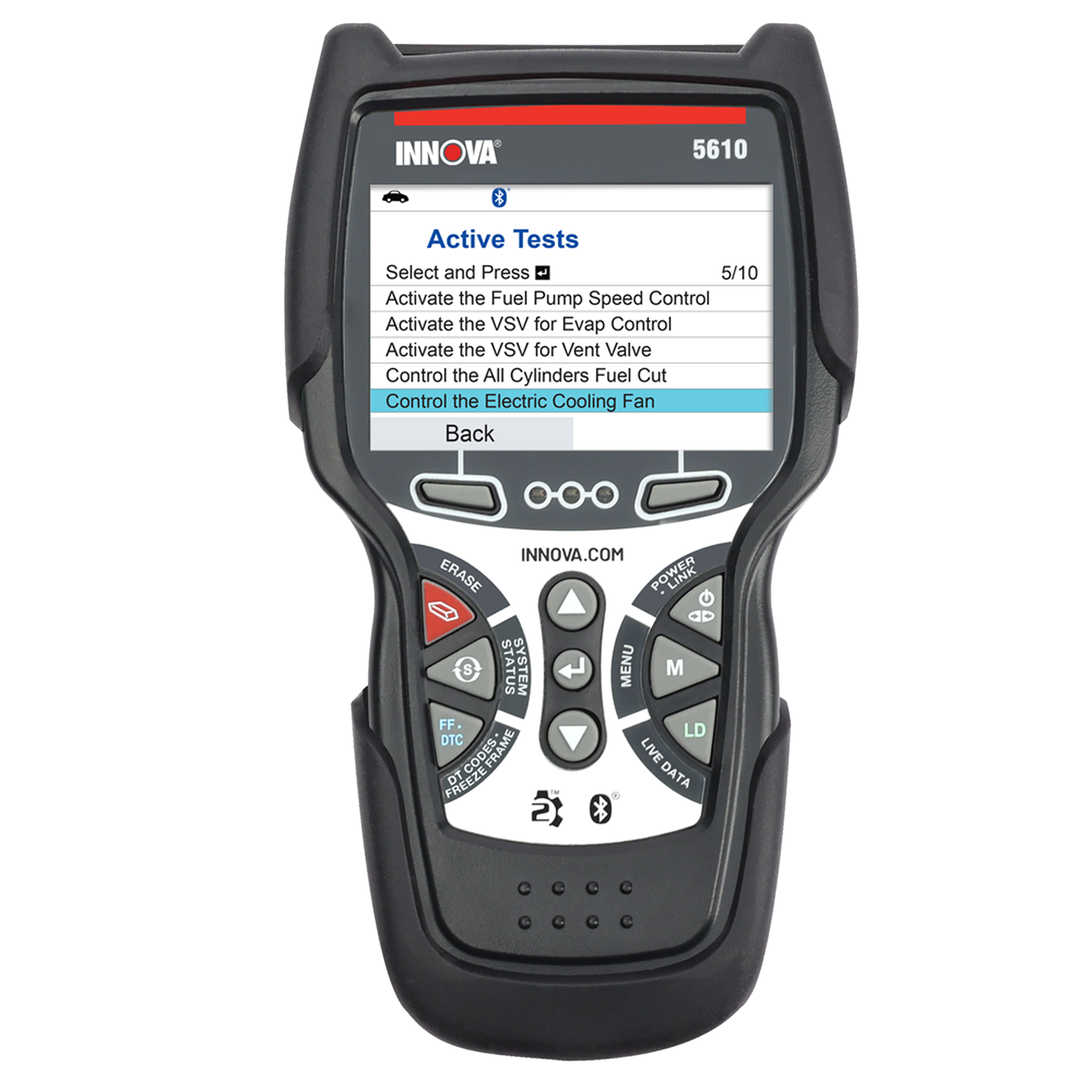
- Scan for Trouble Codes: Use an On-Board Diagnostic (OBD2) Scan Tool to retrieve stored DTCs related to the ignition system. Common DTCs for ignition coil overheating include P0351 - P0358 (ignition coil circuit malfunction) and P0300 - P0312 (misfire detected in one or multiple cylinders). Refer to your vehicle's service manual to interpret the DTCs and identify potential problem areas.
- Perform Live Data Monitoring: Use the Scan Tool to monitor ignition coil dwell time, primary voltage, and misfire counts in real time. Unusually high dwell times or voltage fluctuations can suggest excessive coil workload or electrical faults.
2. Inspect Ignition Coils for Overheating Signs
- Check for Visible Damage: Examine the ignition coil housing for cracks, discoloration, or melted plastic, which may indicate excessive heat buildup. If the coil housing is damaged or brittle, replace the ignition coil to prevent further overheating issues.
- Monitor Coil Temperature: After running the engine for a while, check the ignition coil’s temperature. If it becomes excessively hot to the touch, it may be experiencing internal failure and should be replaced.
3. Test for Excessive Electrical Resistance
- Inspect Spark Plug Wires or Coil Boots: Check for cracks, corrosion, or carbon tracking on spark plug wires or COP boots. Replace components if worn or damaged to prevent high resistance.
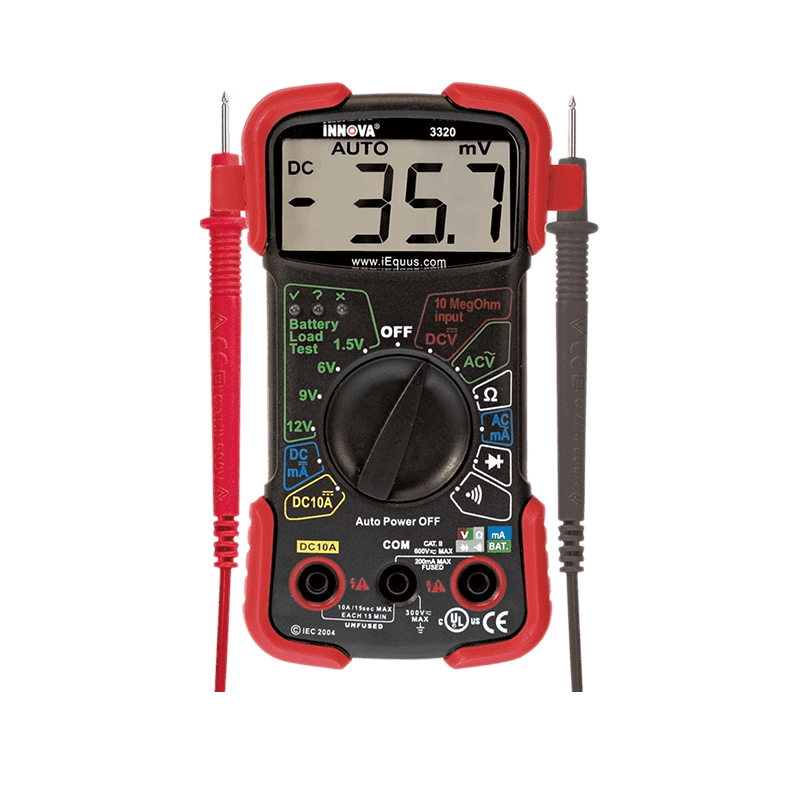
- Measure Ignition Coil Resistance: Use a Digital Multimeter (DMM) to test the ignition coil’s primary and secondary resistance according to manufacturer specifications. Excessively high resistance suggests an internal failure requiring coil replacement.
4. Examine Spark Plugs for Faults
- Check Spark Plug Condition: Remove and inspect spark plugs for wear, carbon buildup, or oil contamination. Worn or fouled plugs force ignition coils to work harder, leading to overheating. Replace the damaged spark plugs if necessary.
- Verify Proper Spark Plug Gap: Use a feeler gauge to measure the gap between the electrodes. Compare it with the manufacturer’s specifications. Adjust or replace the spark plug if the gap is incorrect.
5. Assess Grounding and Electrical Connections

- Inspect Coil Grounding Points: Ensure that ignition coils have a clean and secure ground connection. Loose or corroded grounds can increase electrical resistance, leading to overheating.
- Check for Wiring Damage: Look for frayed, broken, or melted wires leading to the ignition coils. Damaged wiring can cause short circuits or excessive resistance. Repair or replace as needed.
- Test the ECM: Check for signs of failure, such as erratic ignition timing or misfires. A malfunctioning ECM may cause the ignition coil to overheat by delivering inconsistent voltage or improper dwell time control.
6. Verify Voltage Supply Issues
Use the DMM to measure the system voltage with the engine running. A properly functioning alternator should maintain voltage between 13.5V and 14.5V. If the voltage exceeds 14.5V, the alternator or voltage regulator may be overcharging, leading to excessive heat buildup in the ignition coils. Address any overvoltage issues promptly to prevent coil failure.
Preventative Tips

- Perform Regular Maintenance: Replace spark plugs, wires, and ignition components in accordance with the manufacturer’s schedule to prevent excessive ignition coil load.
- Monitor Charging System Performance: Periodically check the alternator and voltage regulator to prevent overvoltage, which can lead to ignition coil overheating.
- Check for Early Signs of Coil Failure: Watch for symptoms such as rough idling, misfires, or difficulty starting to address potential coil issues before they worsen.
- Inspect Electrical Connections: Clean and secure ground connections and wiring to prevent shorts and erratic voltage.
- Use Quality Components: Always use manufacturer-recommended spark plugs, ignition coils, and electrical components for optimal performance and longevity.
Conclusion
Overheating ignition coils can cause significant engine problems. By understanding the common causes and following the troubleshooting steps outlined in this article, you can identify and address potential issues before they cause more serious damage. Remember to consult your vehicle's service manual for specific procedures and component specifications. If you encounter any difficulties or are unsure about any of the steps, it's always best to seek the assistance of a qualified mechanic. Happy DIY-ing!
Explore Our Products

OBD2 Handheld Scanners

OBD2 Bluetooth Scanners

OBD2 Tablet Scanners

OBD1 Tools

Multimeters

Inspection Cameras
Have Questions?
Hop in the discussion board on our community site!
It's a place where we help each other answer questions. Like Reddit but for automotive lovers.

Looking for a car scanner?
Looking for a car scanner?
Take our quiz! It’s short, fun, and accurate.
Help Me Choose
