

As an Amazon associate, we earn from qualifying purchases.
Experiencing a lack of power or sluggish response when you press the accelerator can be frustrating and even dangerous, especially in situations requiring quick acceleration. This article explores what poor acceleration means, identifies common causes, and provides practical troubleshooting strategies to help you diagnose and resolve the problem effectively.
What Does Poor Acceleration Mean?
Poor acceleration refers to a noticeable lack of power or a delayed response when you press the accelerator pedal. The vehicle feels sluggish, takes longer to reach desired speeds, and may struggle to maintain speed on inclines. This symptom indicates a problem with the engine's ability to generate power efficiently.
Common Causes of Poor Acceleration
1. Fuel System Issues
Efficient fuel delivery is essential for optimal engine performance. Any disruptions in the fuel system can lead to poor acceleration.
- Clogged Fuel Filter: A clogged fuel filter restricts the flow of fuel to the engine, starving it of the necessary fuel supply for proper combustion.
- Malfunctioning Fuel Pump: A weak or failing fuel pump may not be able to deliver adequate fuel pressure to the engine, especially during periods of high demand, such as during acceleration.
- Clogged or Faulty Fuel Injectors: Clogged or malfunctioning fuel injectors can disrupt the proper spray pattern and volume of fuel, leading to incomplete combustion and reduced power.
2. Air Intake System Problems
Proper airflow is necessary for efficient combustion and engine performance. Issues in the air intake system can cause poor acceleration.
- Clogged Air Filter: A dirty or clogged air filter restricts airflow to the engine, leading to a lean air-fuel mixture and incomplete combustion.
- Faulty Mass Air Flow (MAF) Sensor: The MAF sensor measures the amount of air entering the engine. A faulty MAF sensor can provide inaccurate readings to the Engine Control Unit (ECU), leading to incorrect fuel mixture calculations and reduced power.
- Vacuum Leaks: Leaks in the intake manifold or vacuum hoses can disrupt the proper flow of air into the engine, leading to a lean air-fuel mixture and reduced power.
3. Ignition System Faults
The ignition system plays a crucial role in delivering the spark necessary for combustion. Weak or inconsistent ignition can contribute to poor acceleration.

- Worn or Faulty Spark Plugs: Worn-out, fouled, or damaged spark plugs can fail to ignite the air-fuel mixture properly, leading to misfires and reduced power.
- Faulty Ignition Coils: Malfunctioning ignition coils can fail to deliver the necessary high voltage to the spark plugs, resulting in weak or no spark and subsequent misfires.
- Damaged Ignition Wires: Cracked, frayed, or corroded ignition wires can disrupt the electrical signal to the spark plugs, preventing proper spark delivery.
4. Transmission Issues
Transmission problems can hinder power delivery from the engine to the wheels, resulting in poor acceleration.
- Slipping or Faulty Transmission: Transmission issues, such as slipping or failing to engage gears properly, can reduce power delivery to the wheels. The ECU may detect these problems and limit engine power to prevent further damage.
- Low or Contaminated Transmission Fluid: Inadequate fluid levels or degraded transmission fluid can lead to delayed shifting and poor acceleration.
5. Engine Mechanical Problems
- Low Compression: Worn piston rings, valves, or cylinder head gaskets can lead to low compression, reducing the engine's power output.
- Timing Belt/Chain Issues: A worn or stretched timing belt or chain can affect the engine's timing, leading to reduced power and poor acceleration.
- Blocked Catalytic Converter: A clogged or damaged catalytic converter restricts exhaust flow, creating backpressure that hampers engine efficiency. This is a common cause of reduced engine performance, especially if the blockage is severe.
6. Sensor and Electronic Control Malfunctions
Modern vehicles rely on electronic sensors and control units to regulate performance. Malfunctions in these components can impact acceleration.
- Throttle Position Sensor (TPS) Issues: The TPS provides data on the throttle position to the ECU. A faulty TPS may cause inconsistent acceleration and reduced engine power as the ECU restricts throttle response.
- Malfunctioning ECU: The ECU is the brain of the vehicle and controls various engine functions. If it detects an internal error or receives faulty data from sensors, it may limit engine power by disrupting fuel injection and ignition timing to protect against potential damage.
- Oxygen (O2) Sensor Issues: Faulty O2 sensors can lead to incorrect fuel adjustments or air-fuel mixture, causing poor acceleration.

Find the perfect scanner in 1 minute
Troubleshooting Steps
Before attempting any repairs, follow these diagnostic steps to pinpoint the cause of poor acceleration:
1. Check for Diagnostic Trouble Codes (DTCs)

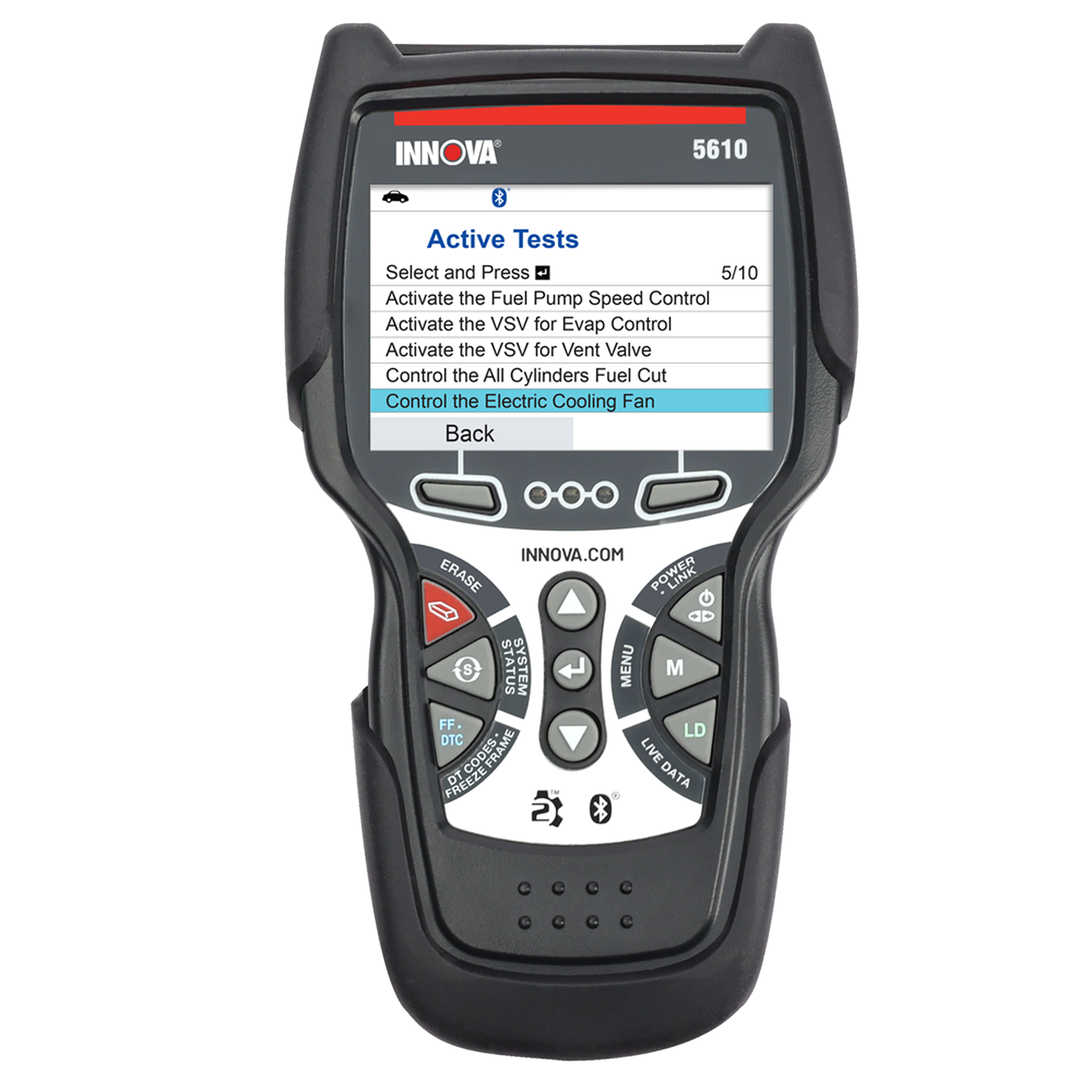
- Use an OBD2 scan tool to retrieve any stored codes related to fuel delivery, ignition, transmission, or sensor malfunctions.
- Refer to the vehicle’s service manual to interpret codes and determine potential causes.
2. Inspect the Fuel System
- Inspect the fuel filter for clogs and replace it if necessary.
- Use a fuel pressure gauge to test the fuel pump’s pressure output against manufacturer specifications.
- Perform a fuel injector cleaning service or replace faulty injectors if necessary.
3. Check the Air Intake System
- Remove and check the air filter for excessive dirt or blockages; replace if needed.
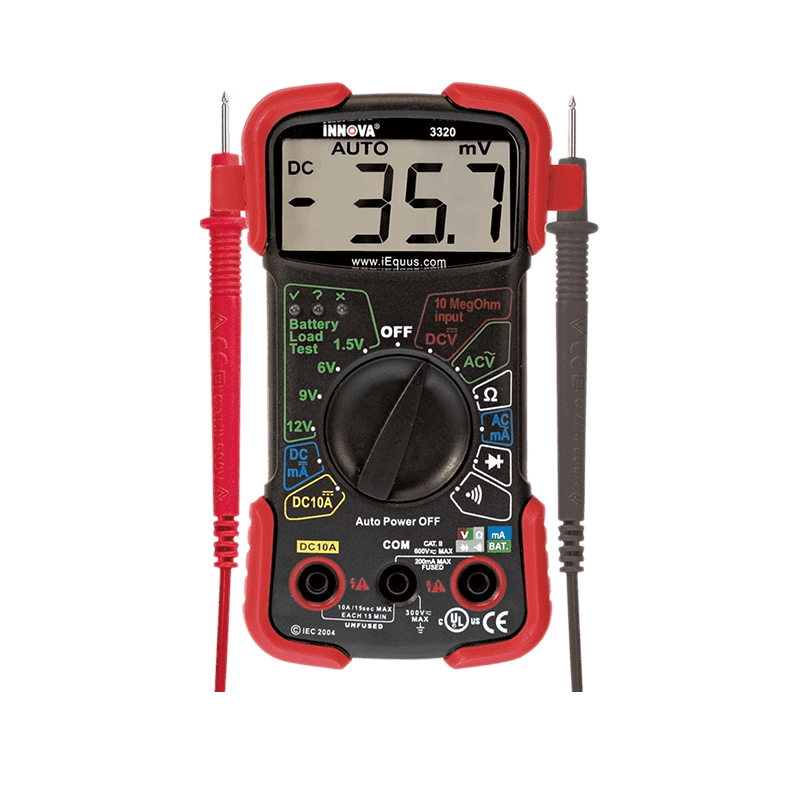
- Test the MAF sensor using a multimeter or scan tool and clean or replace it if readings are outside normal parameters.
- Perform a smoke test to detect vacuum leaks in hoses, intake manifold gaskets, or the Positive Crankcase Ventilation (PCV) system.
4. Evaluate the Ignition System
- Remove and visually inspect spark plugs for wear, carbon buildup, or damage; replace them if necessary.
- Check ignition coil resistance using a multimeter or a scan tool to detect misfires and replace faulty coils.
- Inspect ignition wires for cracks, corrosion, or fraying, and replace them as needed.
5. Assess Transmission Condition

- Check the transmission fluid level and condition; top off or replace contaminated fluid.
- Inspect transmission mounts and linkage for wear or looseness.
6. Examine Engine Mechanical Components
- Perform a compression test to check for low cylinder compression.
- Inspect the timing belt or chain for wear, slack, or misalignment and replace if necessary.
- Check the catalytic converter for signs of clogging or restrictions by performing an exhaust back-pressure test.
7. Test Electronic Sensors and Control Systems
- Test the TPS voltage using a multimeter and replace it if out of range.
- Check the O2 sensor’s response time with a scan tool and replace it if it provides erratic readings.
- Reprogram or replace the ECU if necessary if the problem persists after replacing faulty sensors.
NOTE: Some troubleshooting steps may require specialized tools and expertise. Seeking professional technical assistance is recommended for complex repairs.
Preventative Tips

- Follow Routine Maintenance: Follow the manufacturer's recommended maintenance schedule, including oil changes, filter replacements, and tune-ups.
- Use Quality Fuel: Low-quality or contaminated fuel can cause carbon buildup and injector clogging. Use high-quality fuel from reputable sources to minimize the risk of fuel system problems.
- Regular Engine Diagnostics: Have your vehicle's engine system diagnosed by a mechanic periodically to identify potential problems early on.
- Address Early Warning Signs: Hesitation, rough idling, or decreased fuel efficiency can indicate potential acceleration issues. Address them before they worsen.
Conclusion
Poor acceleration can be a sign of various issues, ranging from simple air filter problems to more complex engine or transmission problems. By understanding the common causes and following the troubleshooting steps outlined in this article, you can effectively diagnose and address the issue. Remember to consult your vehicle's service manual for specific procedures and component specifications. If you encounter any difficulties or are unsure about any of the steps, it's always best to seek the assistance of a qualified mechanic. Happy DIYing!
Explore Our Products

OBD2 Handheld Scanners

OBD2 Bluetooth Scanners

OBD2 Tablet Scanners

OBD1 Tools

Multimeters

Inspection Cameras
Have Questions?
Hop in the discussion board on our community site!
It's a place where we help each other answer questions. Like Reddit but for automotive lovers.

Looking for a car scanner?
Looking for a car scanner?
Take our quiz! It’s short, fun, and accurate.
Help Me Choose
