

As an Amazon associate, we earn from qualifying purchases.
While in operation, your vehicle’s engine generates extremely high temperatures. Effective cooling mechanisms are necessary to ensure optimum functionality and prolong the engine’s operational lifespan. This critical task is accomplished by the cooling system, with coolant playing the pivotal role. This article outlines coolant system operation and identifies common symptoms of issues, maintenance requirements, and the associated replacement costs.
Overview
Coolant is a specialized fluid, typically composed of water and antifreeze, circulating through your vehicle's engine and radiator. Here's how it works:
- Temperature Regulation: As your engine runs, it generates enormous heat. Coolant absorbs this heat and carries it away from the engine's critical components. The coolant circulates through a series of passages, extracting heat as it goes, and then transports it to the radiator.
- The Radiator's role: The radiator is a key component in the coolant's operation. It acts as a heat exchanger, where the hot coolant releases heat into the surrounding air. This process cools down the coolant, which is then returned to the engine to repeat the cycle.
- Freeze Protection: In harsh winter conditions, coolant prevents the water within your engine's cooling system from freezing. A frozen engine can lead to catastrophic damage, making this function crucial for year-round vehicle operation.
- Corrosion Prevention: Coolant isn't just water; it's fortified with additives that protect your engine's components from corrosion and scale buildup. This ensures a longer life for your cooling system and maintains its efficiency.
Common Symptoms
To ensure your vehicle's cooling system functions correctly, be aware of common symptoms that indicate potential coolant issues:
Overheating: If your engine temperature gauge consistently reads higher than normal, it may be due to low coolant levels or a coolant leak.

Overheating
Low Coolant Warning: Your vehicle’s dashboard may have a low coolant warning light. If this light illuminates, it's a sign that your coolant level is not sufficient.

Low Coolant Warning
Sweet Odor: A sweet, syrupy odor inside the cabin can indicate a coolant leak in the heater core. It's important to address this issue promptly to prevent further damage.
White Smoke from the exhaust: Excessive white smoke from the tailpipe can indicate coolant entering the combustion chamber, indicating a potential head gasket failure.

White Smoke from The Exhaust
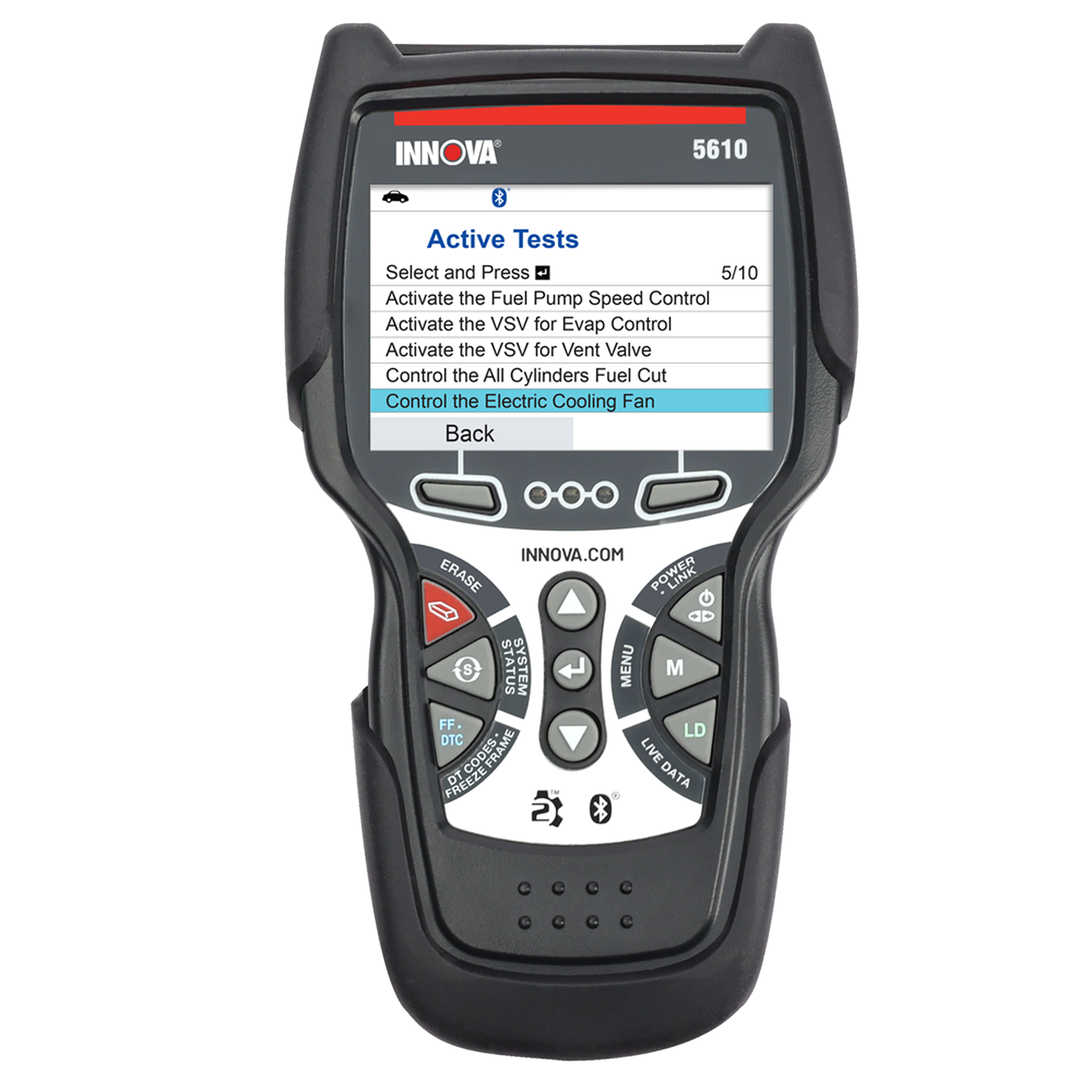

Find the perfect scanner in 1 minute
Coolant Maintenance
Properly maintaining your vehicle's coolant system is essential for its longevity and performance. Key maintenance practices include the following:
- Regular Inspections: Regularly check your coolant level and condition before long trips. Top off the coolant as needed and check for signs of leaks.

Regular Inspections
- Coolant Flush: Your vehicle's coolant should be completely replaced periodically, typically every 2 to 5 years. This flush helps remove contaminants and replenishes the corrosion-inhibiting properties of the coolant.
- Inspect Hoses and Belts: Examine coolant hoses and belts for signs of wear or damage. Cracks, leaks, or soft spots are indications that they need replacement.
- Consult Your Owner's Manual: Follow the manufacturer's recommended maintenance schedule for your vehicle, including coolant-related tasks.
Cost of Replacement
On average, a coolant flush and replacement can cost between $50 and $150 at a repair shop. However, DIY enthusiasts can reduce costs by purchasing coolant and performing the flush themselves. However, costs may vary depending on the type of coolant used, the vehicle's make and model, and labor charges.
Conclusion
While coolant is the simplest component of your vehicle's cooling system, it plays a crucial role in regulating engine temperature and preventing damage. Understanding its function, recognizing common symptoms of issues, and performing regular maintenance is essential for the long-term health of your vehicle. By taking care of your coolant system, you'll ensure that your vehicle stays cool, both in terms of temperature and performance, for years to come.
Explore Our Products

OBD2 Handheld Scanners

OBD2 Bluetooth Scanners

OBD2 Tablet Scanners

OBD1 Tools

Multimeters

Inspection Cameras
Have Questions?
Hop in the discussion board on our community site!
It's a place where we help each other answer questions. Like Reddit but for automotive lovers.

Looking for a car scanner?
Looking for a car scanner?
Take our quiz! It’s short, fun, and accurate.
Help Me Choose
