
General
6 Battery Maintenance Tips to Keep Your Car or Truck In Good Shape
Written by Briley Kenney
March 11th, 2026

As an Amazon associate, we earn from qualifying purchases.
When you think about maintaining a vehicle or a car, a lot of times, the more obvious tasks come to mind. Things like changing the oil, the air filters, checking tires, cleaning out the cabin or vacuuming, they’re all pretty common and most people get them done. But a core component of the vehicle, that’s sometimes overlooked, is the battery.
Usually, you don’t consider battery maintenance until something goes awry, like the battery is dead or the car is having issues starting. The problem is if you wait until that point, not only will you end up having to replace your battery, you may even have to deal with additional damage caused to the engine and the rest of the vehicle. Battery maintenance is just as important, if not more so, than keeping up with the other systems in your car. They’re not maintenance-free either.
Here are some battery maintenance tips, regular tasks you should be following, to keep your car in working order.
1. Check the Battery Regularly
Inspect the battery weekly, maybe even more often and look for signs of extreme wear, damage, or corrosion. The latter would show on the terminals or on the side of the battery, especially if there are leaks. Make sure the cables are secured. Check the housing to make sure nothing is loose.

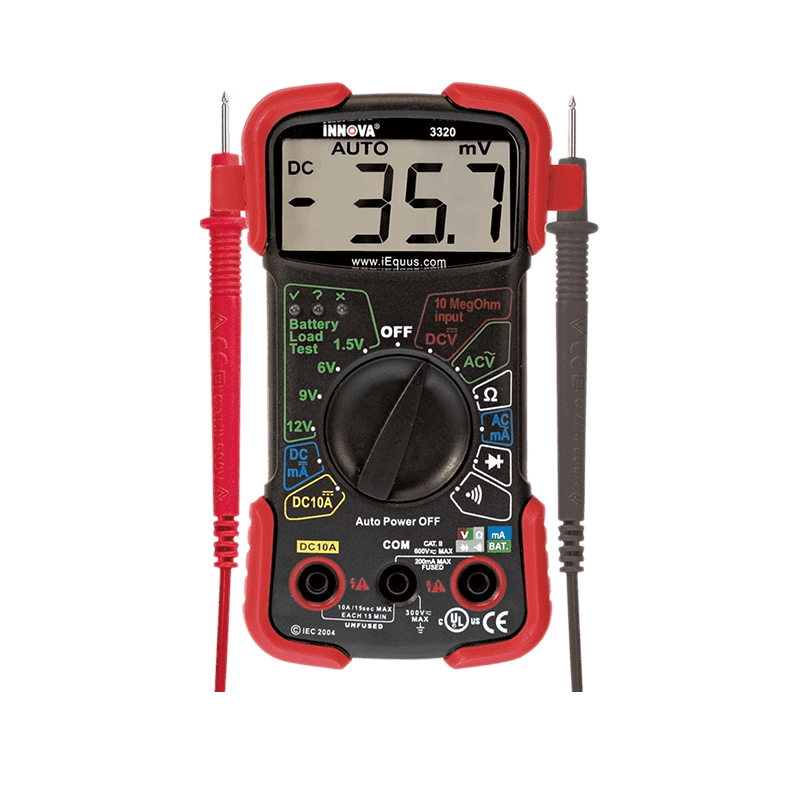
Ideally, you’re inspecting the outside of the battery and looking for any signs that something is not working as it should. No, you’re not going to catch everything and anything but the point is to look for more obvious concerns. You might also use a multimeter to check that the battery outputs enough voltage. Output voltage should always be clearly labeled somewhere on the battery, but any readings 12.4 volts or above are usually suitable.
2. Inspect Battery Fluid Levels
Before continuing make sure the top surface of the battery is clean, clear and free of corrosion and other debris. If that debris gets inside the water ports it could get into the battery cells and that’s bad news.

Depending on the type of battery that your car uses, like a lead-acid wet cell, you may need to occasionally check the fluid levels. You’ll want to put on some protective gloves and eyewear for servicing this part of the battery for your own safety. Once that’s done, find the batteries' water ports, two rectangular covers protect them — on some batteries each port is individually covered —pop them off, and once the ports are visible check the levels.
Inside the small ports or reservoirs you should see a small amount of water covering plates — the plates will likely not be visible if there’s enough water. There should be an even amount of fluid in every port covering the plates underneath. If you see those plates exposed you may need to add distilled water. Don’t overwater, only fill a little at a time. You merely want the plates to be covered but not completely submerged.

Find the perfect scanner in 1 minute
3. Start and Run the Engine
If your vehicle spends a lot of time sitting around unused, which happens from time to time, you should make a habit of starting it up occasionally. That’s also good for the engine, provided you’re letting it run for a few minutes at least. Letting the vehicle run can also help keep the battery charged and working properly, but it does have to run long enough so keep that in mind.

If you can, it’s probably a better idea to take the car for a short drive, like around your neighborhood to fend off flat spots in your tires. The other benefit of doing this, even though it might not initially seem like a boon, is that you can spot a dead or discharged battery earlier. That gives you ample notice to get it charged, even with a trickle charger, because the longer a battery sits drained the more degradation it will experience. That means, even when you do eventually charge it, the overall lifespan will be shorter and it may not even hold a charge altogether.
4. Keep the Battery Warm
If you live in a cold climate or where it snows, the extreme temperatures can affect all batteries including your car battery. Of course, it’s much worse if that car is sitting and the battery is unused. Batteries actually lose capacity in the cold weather, by as much as 20% in normal to freezing weather.

If your vehicle is parked in the cold — garage too — it may be best to remove the battery entirely by disconnecting it at the terminals and bringing it into a warmer room or environment. Short of that, you could connect a trickle charger to the battery to keep it powered up and charging during cold weather spells. Alternatively, you can buy battery heaters, which are basically specialized heating pads to keep them warm, or wrap the battery in a thermal cover.
5. Unplug Extra Devices
Dedicated GPS devices, dash cams, smartphones, mobile chargers, and other small electronics can slowly drain the battery if left plugged in. It’s not a big deal if the car will be idle for only a short while but if you leave your car sitting with these devices plugged in there’s a chance you could come back to a dead battery.

Make a habit of disconnecting these devices from your car’s power outlets, whether that’s the USB or power outlet. It’s safer to do this anyway and tuck those devices into a glove box or the center console out of view — that also makes your car less of a target for would-be thieves who can peer into the window. Similarly, if you have a truck or EV that allows you to plug devices in, like some trucks with outlets in the bed, it’s always a good idea to disconnect everything when you’re away from the vehicle, certainly if it’s sitting idle for a while.
6. Replace Your Battery on Schedule
Generally, you should be replacing your vehicle’s battery every four to five years. Sometimes, you can squeeze a little extra time out of them, sometimes it’s even shorter — like three years. It really depends on how the car is being used, the climate where you live and how often the battery sits idle. Extreme heat or cold can shorten the battery’s lifespan as can misuse.

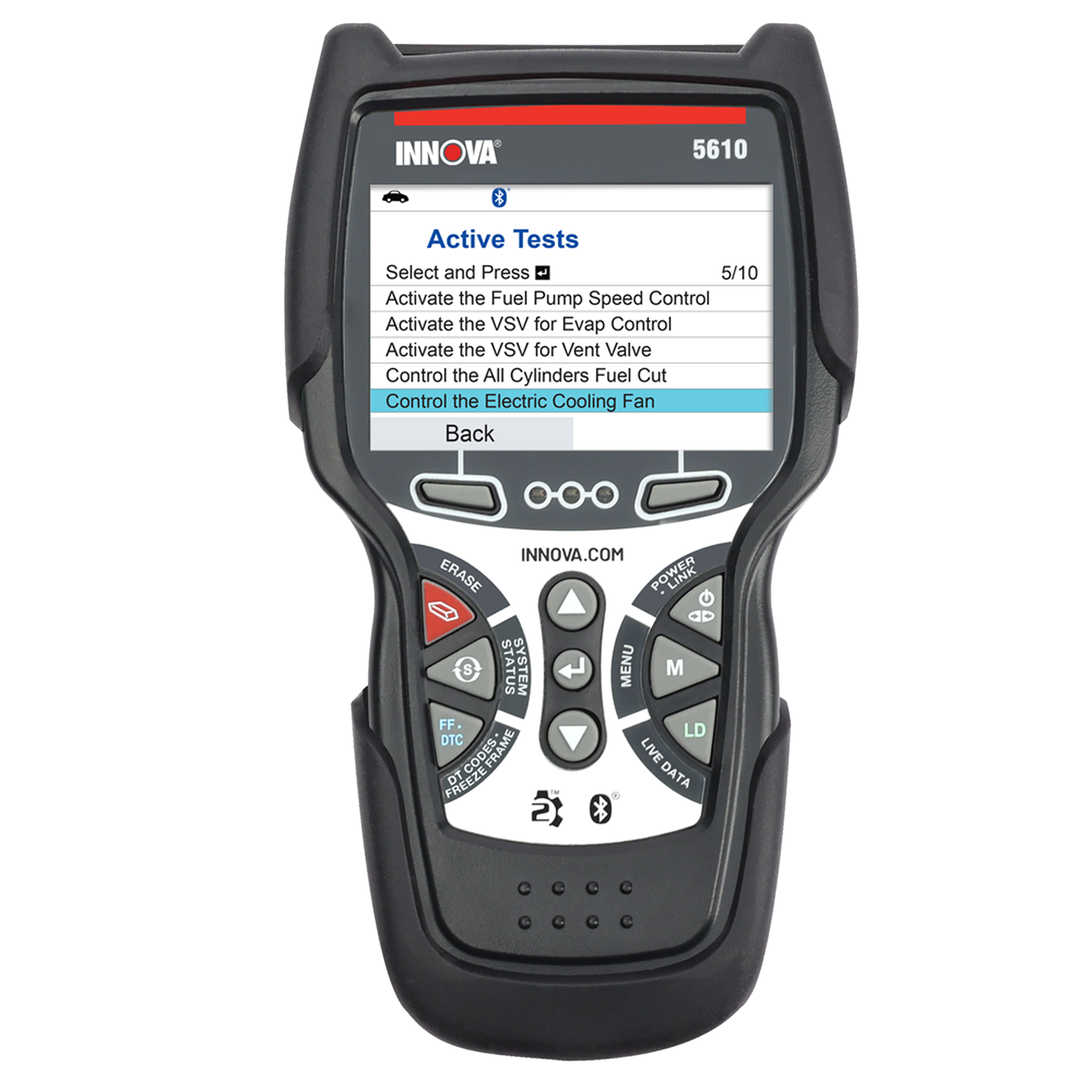
To be sure, you can test your battery’s health towards the long-end of that lifespan. If the voltages are low, when you use your multimeter, or the vehicle is experiencing power performance issues, like dull headlights, you may already have your answer. Remember to reset the battery information in your vehicle’s computer when you install a new battery. You can do this quickly and easily with a tool like the Innova 5610 handheld OBD2 scanner.
Explore Our Products

OBD2 Handheld Scanners

OBD2 Bluetooth Scanners

OBD2 Tablet Scanners

OBD1 Tools

Multimeters

Inspection Cameras
Have Questions?
Hop in the discussion board on our community site!
It's a place where we help each other answer questions. Like Reddit but for automotive lovers.

Looking for a car scanner?
Looking for a car scanner?
Take our quiz! It’s short, fun, and accurate.
Help Me Choose
