
General
In the Future Your Car May Pay Tolls Automatically for You
Written by Briley Kenney
February 4th, 2026
As an Amazon associate, we earn from qualifying purchases.
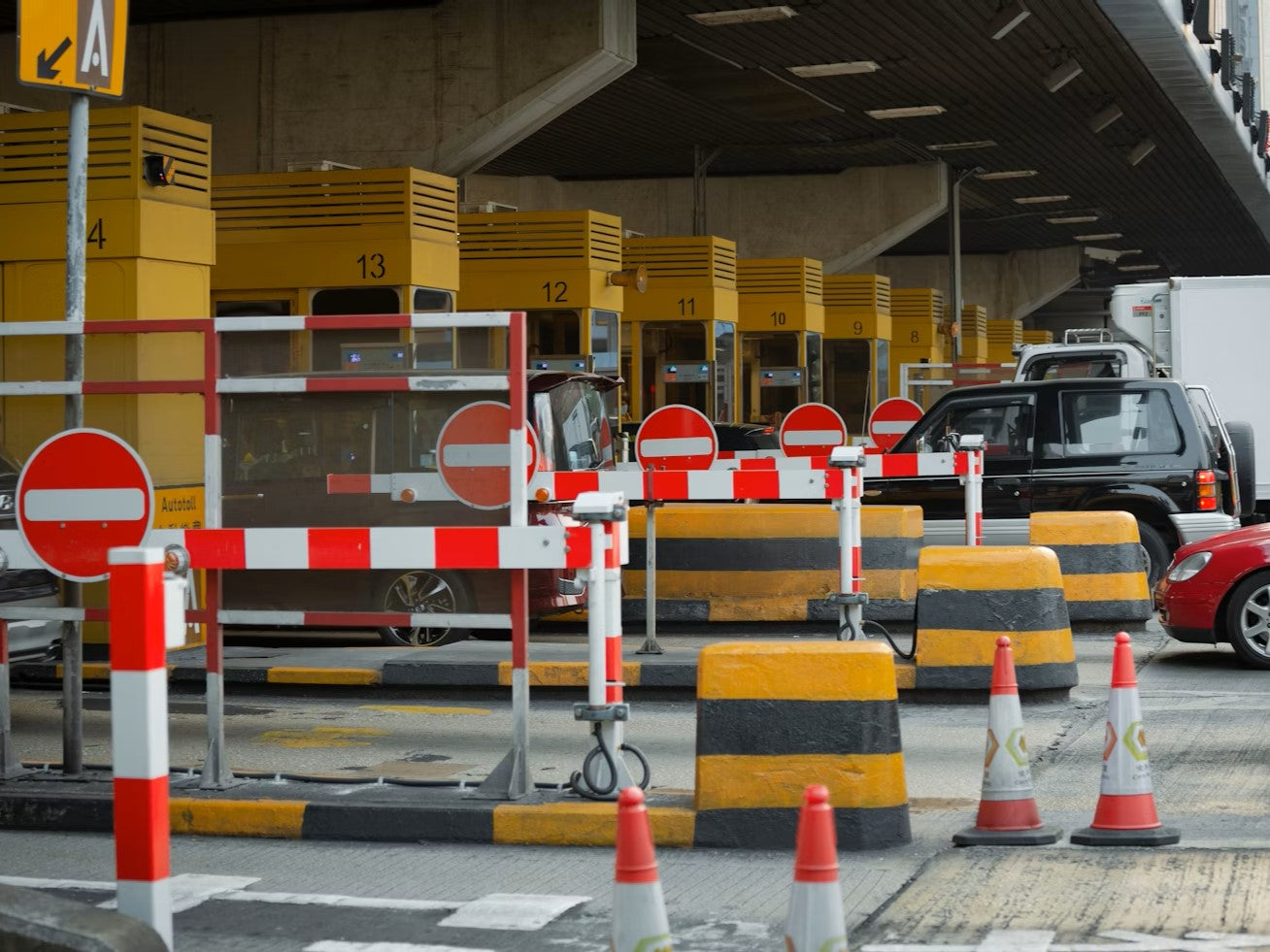
If you’ve ever been on a long road trip exploring a foreign city or state then you understand the sheer anxiety of running into an unplanned toll checkpoint. Gone are the days where you pay most tolls with pocket and couch change. Sure, traditional tolls still exist, but a lot of them use newer easy-scan technologies for digital payments and tracking. Electronic Toll Collection is the name of the game, like what’s available here in Florida. Toll-by-plate is also an option if you pass through compatible checkpoints, but it’s just much less of a hassle to be prepared and have the necessary payment methods ready.
With all of that in mind, it’s a good point that even with the cashless options, they’re not quite as seamless as modern technology would allow. But some new technologies coming to the forefront may change this altogether, and for the better. Imagine driving through one of those checkpoints without doing anything different at all. As you do, the car interacts with digital technologies set up on location and facilitates a payment or schedules one through a connected system. That’s it, it’s all handled remotely and with no prompts from you. It also makes for an incredibly seamless drive that may not even require you to stop.
Admittedly, it does sound like science-fiction when described that way but there are real technologies that may enable such a thing. One of them is actually being used as part of a pilot program in North Carolina.
Mastercard, Volvo, N.C. Turnpike Authority and the Mobile Vehicle Wallet
A new pilot program, spearheaded by a collaborative effort between Volvo Cars, Mastercard, and the North Carolina Turnpike Authority, essentially turns exclusive vehicles into a mobile wallet for use with toll systems. There are no transponders involved whatsoever. Instead, the system uses in-car software, GPS for positioning, and secure mobile payment technologies to register and pay tolls.

Chapin Flynn, Mastercard’s global urban mobility lead says "This is part of a broader strategy to create frictionless urban mobility solutions around the world, no matter how you get around." With the new technology, it’s the car that initiates the transaction and the transaction uses the same tokenization method as secure forms of contactless payments. Not only is the transponder not required, but, theoretically, nothing may be required at the toll booth either. The system can automatically flag vehicles as being on a toll road through GPS. As Flynn points out, "Frictionless driver experiences and in-vehicle commerce are a real part of [it]."
To make it work, drivers have to opt-in and then enter credit card information into their vehicle, just as they would a mobile device or software wallet.
The team also discusses using this technology in new ways beyond tolls, like, for instance, paying for parking in cities. Or, paying for fuel at a compatible gas station, or even paying for goods at a rest stop or drive-through location.

Find the perfect scanner in 1 minute
C-V2X: Cellular Vehicle-to-Everything Technology
Another potential contender is a similar technology that’s gaining some ground. Described as a connected mobility platform that allows vehicles to connect and interact with virtually everything around them, C-V2X uses two transmission modes. The first, called direct communications or PC5, works exclusively on its own and allows vehicles to communicate with their surroundings, including other vehicles, pedestrians, cyclists, and nearby nodes. The second mode, network communications or Uu, uses traditional mobile networks to receive functional real-time information — like data about traffic, road hazards, weather conditions and more.

This technology may be used to replace E-ZPass systems for toll collections, while helping to preserve privacy, reliability and convenience. Imagine the scenario in the intro, exactly as described, with no need to stop or interact with toll transponders and other computing-based systems. You can simply pass through a toll and your car automatically pays using pre-configured digital technologies.
In fact, back in August 2025, the North Carolina Turnpike Authority — N.C. for the win again — and Kapsch TrafficCom announced that C-V2X toll collection technology would be coming to the Triangle Expressway (NC-540). It still exists alongside legacy toll collection measures, particularly those that use E-ZPass and RFID, but it’s a step forward for seamless experiences.
How Long Until Everyone Can Use the Technology
For now, existing solutions are only available to a small audience. It’s probably no surprise that in Volvo’s case, only a handful of Volvo owners will be able to try the experience and even then only those that live in the North Carolina area where it’s being installed. But a pilot program essentially means the authorities and parties involved are testing out the available solutions to see if a widespread adoption would be lucrative.

We’re not likely to see these technologies available across the country for quite a few years yet. Moreover, when they are available, if that happens, individual states need to adopt the necessary technologies and solutions, and that rollout may also be delayed. The good news is that it seems the technology is coming, one way or another. It may also eventually be adapted to offer more unique and convenient experiences like paying for gas directly through your vehicle without ever touching one of those nasty, germ-addled pumps again. That would be beneficial for almost everyone seeing as gas pump handles are one of the most disgusting surfaces known to mankind.
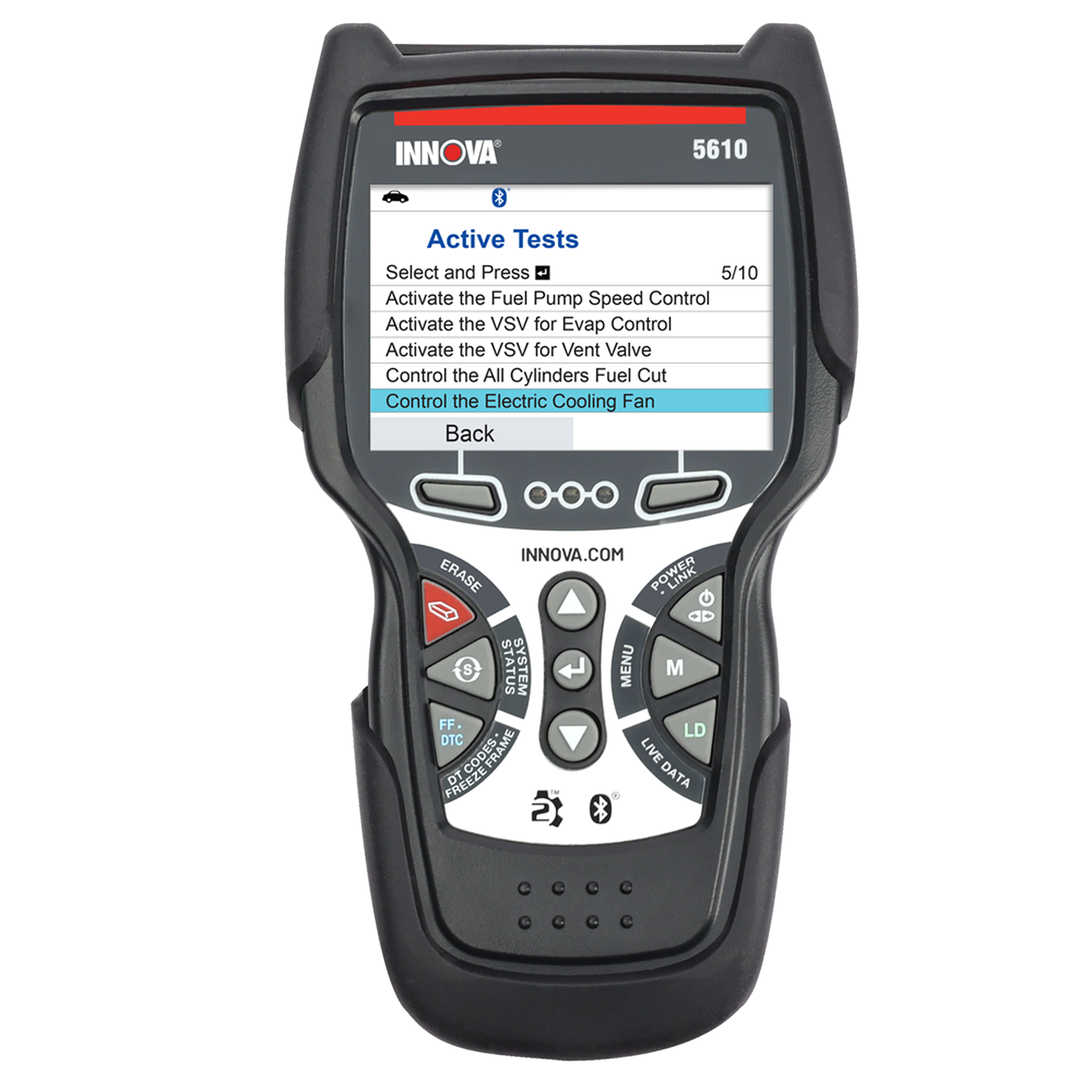
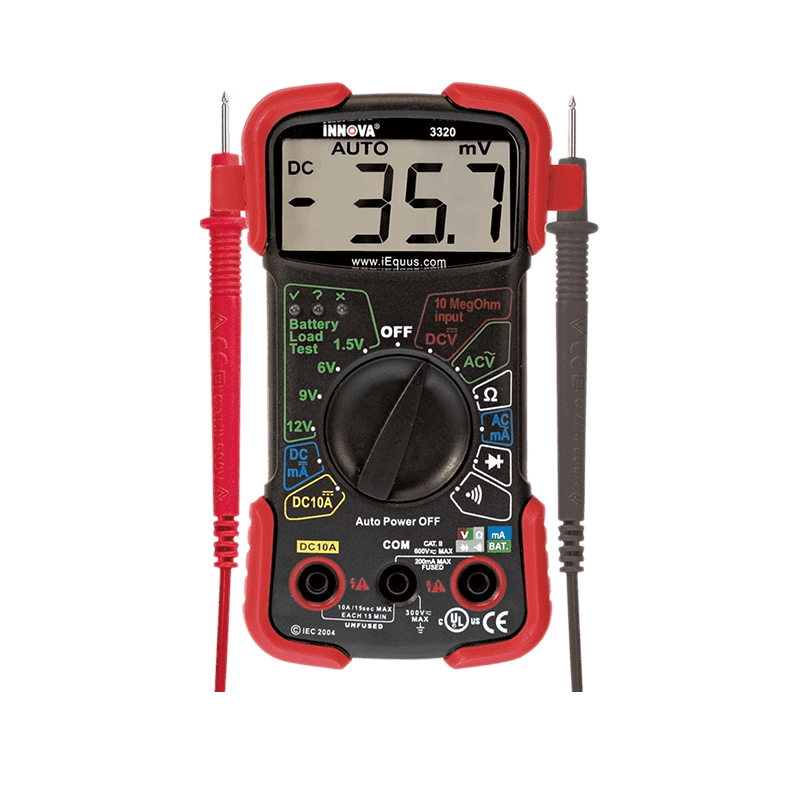
We might not have seamless tolls yet, but we do have advanced tech to make vehicle repairs and diagnosis easier. They can tap into compatible cars via the OBD2 port and help you discover what’s wrong or troubleshoot engine and performance issues. Advanced scanners make diagnostics and vehicle maintenance pretty darn seamless, especially if you’re into DIY work, not unlike these futuristic toll technologies.
Explore Our Products

OBD2 Handheld Scanners

OBD2 Bluetooth Scanners

OBD2 Tablet Scanners

OBD1 Tools

Multimeters

Inspection Cameras
Have Questions?
Hop in the discussion board on our community site!
It's a place where we help each other answer questions. Like Reddit but for automotive lovers.

Looking for a car scanner?
Looking for a car scanner?
Take our quiz! It’s short, fun, and accurate.
Help Me Choose
