
Fix Advices
Common Symptoms of a Faulty Transmission Position Sensor
Written by R&D
September 29th, 2025

As an Amazon associate, we earn from qualifying purchases.
The Transmission Position Sensor (TPS), also known as the Transmission Range Sensor (TRS), is a critical component in a vehicle's transmission system. This sensor detects the position of the gear selector lever (Park, Reverse, Neutral, Drive, etc.) and transmits this data to the Transmission Control Module (TCM) or Engine Control Module (ECM). The ECM or TCM then uses this information to regulate gear shifting and control various transmission functions, ensuring optimal engine performance, fuel efficiency, and overall driving experience. A malfunctioning TPS can lead to a range of issues, disrupting the smooth and efficient operation of the transmission and potentially compromising vehicle safety. Regular inspection and timely replacement of a faulty sensor are essential to maintain transmission performance and avoid costly repairs.
This article highlights the typical symptoms of a faulty TPS, to help you identify potential issues and their root causes.
What Causes Transmission Position Sensor Failures?
- Wear and Tear: Over time, the internal components of the TPS, such as the electrical contacts and the sensing element, can wear out due to prolonged use, exposure to heat, vibration, and other harsh environmental conditions. This natural wear and tear can cause the sensor to lose accuracy or fail entirely.
- Electrical Issues: Faulty wiring, loose connections, or a short circuit in the electrical circuit can disrupt the flow of electrical signals from the TPS to the ECM or TCM, leading to incorrect gear readings or sensor failure.
- Exposure to Contaminants: Dirt, debris, and transmission fluid leaks can accumulate around the sensor, interfering with its ability to accurately detect the gear selector position.
- Physical Damage: Impact from road debris, accidental mishandling during repairs, or excessive force applied to the sensor can physically damage its housing or connectors, rendering it inoperable.
Common Symptoms of a Faulty Transmission Position Sensor
1. Illuminated Check Engine Light (CEL) or Malfunction Indicator Light (MIL)

A malfunctioning TPS may trigger the vehicle's On-Board Diagnostic (OBD) system to illuminate the CEL / MIL and store a corresponding Diagnostic Trouble Code (DTC) in its memory. However, the CEL / MIL can be illuminated for multiple reasons, so using a scan tool to diagnose the specific issue is essential.
2. Incorrect or Unexpected Gear Shifts

A faulty TPS can cause a discrepancy between the gear selected by the driver using the gear selector lever and the gear engaged by the transmission. This mismatch can result in unexpected gear changes, delayed shifts, or the transmission shifting into the wrong gear altogether. A misaligned gear selection can also strain internal transmission components, increasing wear and the risk of transmission failure if not addressed properly.
3. Vehicle Fails to Start and Cannot Move

The TPS plays a crucial role in vehicle safety by ensuring that the vehicle recognizes when it is in "Park" or "Neutral" before allowing the engine to start. If the sensor provides faulty or missing signals, the vehicle may fail to accurately detect the gear position, preventing the starter motor from engaging. In some instances, even if the engine starts, the vehicle may refuse to move when placed in "Drive" or "Reverse" as the control module fails to receive the correct gear command input from the malfunctioning TPS. This issue potentially leaves the driver stranded unless the sensor is promptly repaired or replaced.
4. Vehicle Locked in a Single Gear

Many modern vehicles have a fail-safe mode (commonly referred to as "limp mode") that activates when the TCM detects a serious fault, including issues with the TPS. In this mode, the transmission may lock itself into a single gear (typically second or third) to prevent further damage and allow the driver to reach a service location. The vehicle may feel sluggish, struggle to accelerate, and be limited in speed.
5. Gear Position Display Inconsistency

A defective TPS can cause erratic or incorrect readings on the gear position indicator. The dashboard display may flicker, show the wrong gear selection, or fail to register a shift from one gear to another. In some cases, the display may momentarily go blank, making it difficult for the driver to determine the current gear. This inconsistency can confuse the driver and lead to unexpected vehicle behavior.

Find the perfect scanner in 1 minute
Identify a Faulty Transmission Position Sensor with the Innova Scan Tool
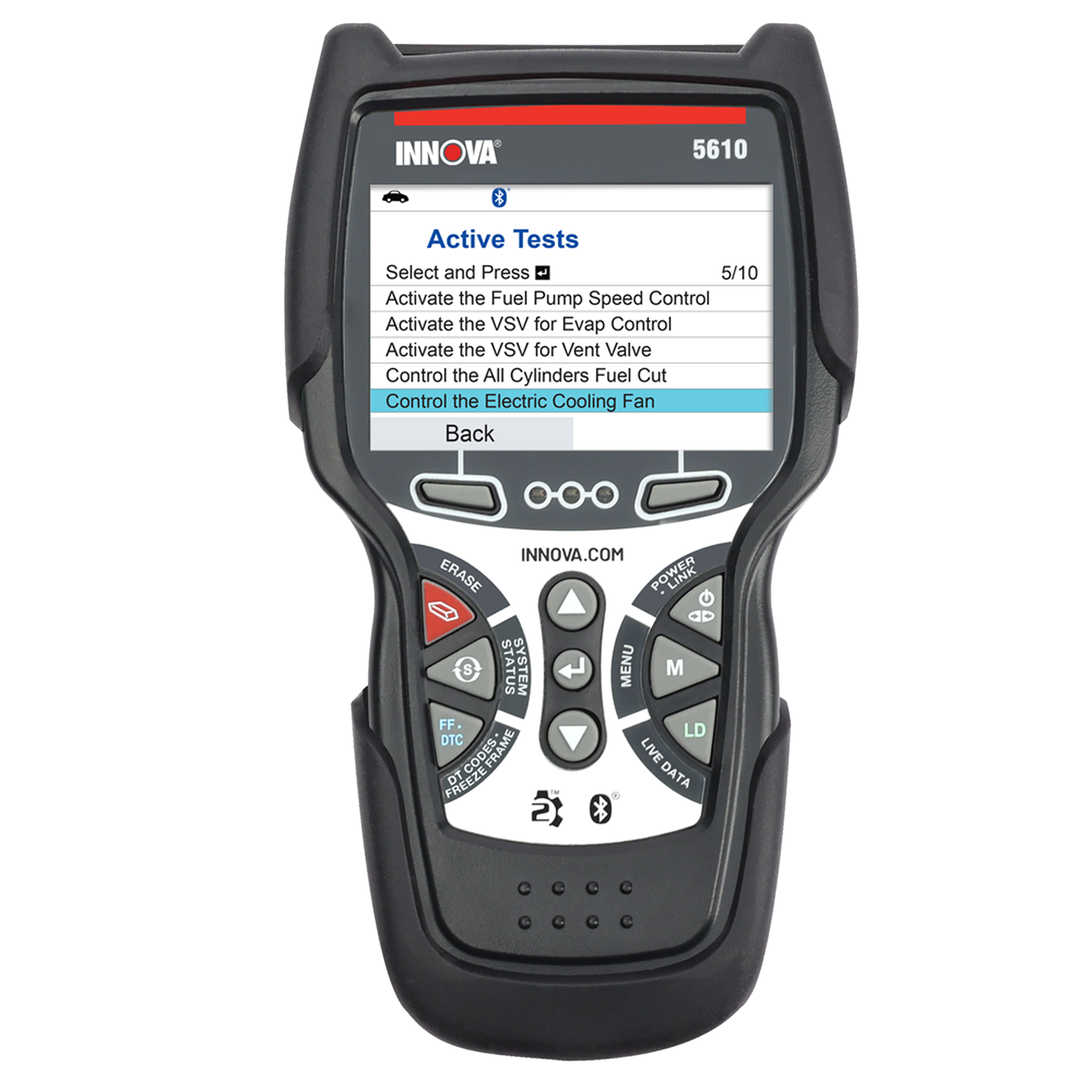
The Innova Scan Tool quickly retrieves and identifies existing DTCs stored in your vehicle’s computers. With a quick OBD2 Scan, you can retrieve existing DTCs, the I/M Status of the vehicle, and any collected Freeze Frame data from these computers. Refer to the Innova Coverage Checker to determine the level of information supported on your vehicle by year, make and model. The Innova Scan Tool effectively diagnoses TPS-related issues, helping you easily pinpoint and resolve problems.

Please visit us at innova.com/support for additional information.
Technical Support
5 Days/ Week Monday - Friday (6AM-6PM PST)
Phone (800) 544-4124.
Email customercare@innova.com
Live Chat INNOVA.com
Explore Our Products

OBD2 Handheld Scanners

OBD2 Bluetooth Scanners

OBD2 Tablet Scanners

OBD1 Tools

Multimeters

Inspection Cameras
Have Questions?
Hop in the discussion board on our community site!
It's a place where we help each other answer questions. Like Reddit but for automotive lovers.

Looking for a car scanner?
Looking for a car scanner?
Take our quiz! It’s short, fun, and accurate.
Help Me Choose
