
Fix Advices
Backfiring or Loud Noises from the Exhaust: A DIYer’s Guide
Written by R&D
April 21st, 2025

As an Amazon associate, we earn from qualifying purchases.
Backfiring or loud noises from the exhaust system can be startling and often indicate an underlying issue with your vehicle’s engine or exhaust system. These sounds may range from sharp bangs to deep rumbling noises, sometimes accompanied by a loss of performance or other symptoms. This guide will intorduce you to the causes and solutions for backfiring or loud exhaust noises.
What Does Backfiring or Loud Exhaust Noises Indicate?
Backfiring occurs when unburned fuel ignites in the exhaust system rather than in the engine’s combustion chambers. This can result from incomplete combustion, timing issues, or interference from aftermarket modifications. Loud exhaust noises often suggest problems such as exhaust system damage or blockages. Understanding these symptoms is critical to diagnosing and resolving the root cause, restoring smooth engine operation, and ensuring a safe driving experience.
Common Causes
Engine Timing Issues
Incorrect Ignition Timing: When the spark plug fires at the wrong time, the air-fuel mixture may ignite too early or too late, causing backfiring.
Faulty Timing Chain or Belt: Worn or misaligned timing components disrupt the synchronization of the engine’s valves and pistons, leading to abnormal combustion.
Fuel System Problems
Rich Air-Fuel Mixture: Excess fuel in the air-fuel mixture fails to burn completely, resulting in unburned fuel igniting in the exhaust.
Leaking Fuel Injectors: Faulty injectors may spray excess fuel, contributing to backfiring and loud noises.
Clogged Fuel Filter: A restricted fuel filter limits fuel delivery, disrupting combustion and potentially causing backfiring.
Ignition System Faults
Worn or Faulty Spark Plugs: Inefficient spark plugs fail to ignite the air-fuel mixture properly, leaving unburned fuel in the exhaust.
Defective Ignition Coils: Malfunctioning ignition coils reduce spark energy, contributing to incomplete combustion and backfiring.
Exhaust System Issues
Damaged or Leaking Exhaust Components: Cracks or loose connections in the exhaust system allow oxygen to enter, igniting unburned fuel and causing loud pops.
Clogged Catalytic Converter: A severely restricted catalytic converter creates backpressure, disrupting engine operation and amplifying exhaust noise.
Air Intake System Problems
Clogged Air Filter: A clogged air filter can restrict airflow to the engine, affecting the air-fuel mixture and causing inefficient combustion that may lead to backfiring.
Faulty Mass Air Flow (MAF) Sensor: A malfunctioning MAF sensor can miscalculate airflow, leading to an improper air-fuel mixture and backfiring.
Vacuum Leaks: Air leaks in the intake system disrupt engine operation, potentially triggering backfiring.
Aftermarket Modifications
Non-Standard Exhaust Systems: Aftermarket exhaust components, such as straight pipes or performance mufflers, may reduce backpressure to the point that backfiring occurs more easily.
Performance Tunes or Chips: Modified Engine Control Unit (ECU) tuning may cause improper air-fuel ratios, increasing the likelihood of backfiring.
Incorrectly Installed Components: Poorly installed modifications, such as headers or turbochargers, may create exhaust leaks or disrupt airflow, causing backfiring.

Find the perfect scanner in 1 minute
Troubleshooting Steps
Before attempting any repairs, follow these diagnostic steps to identify the cause of backfiring or loud noises from the exhaust:
Check for Diagnostic Trouble Codes (DTCs)
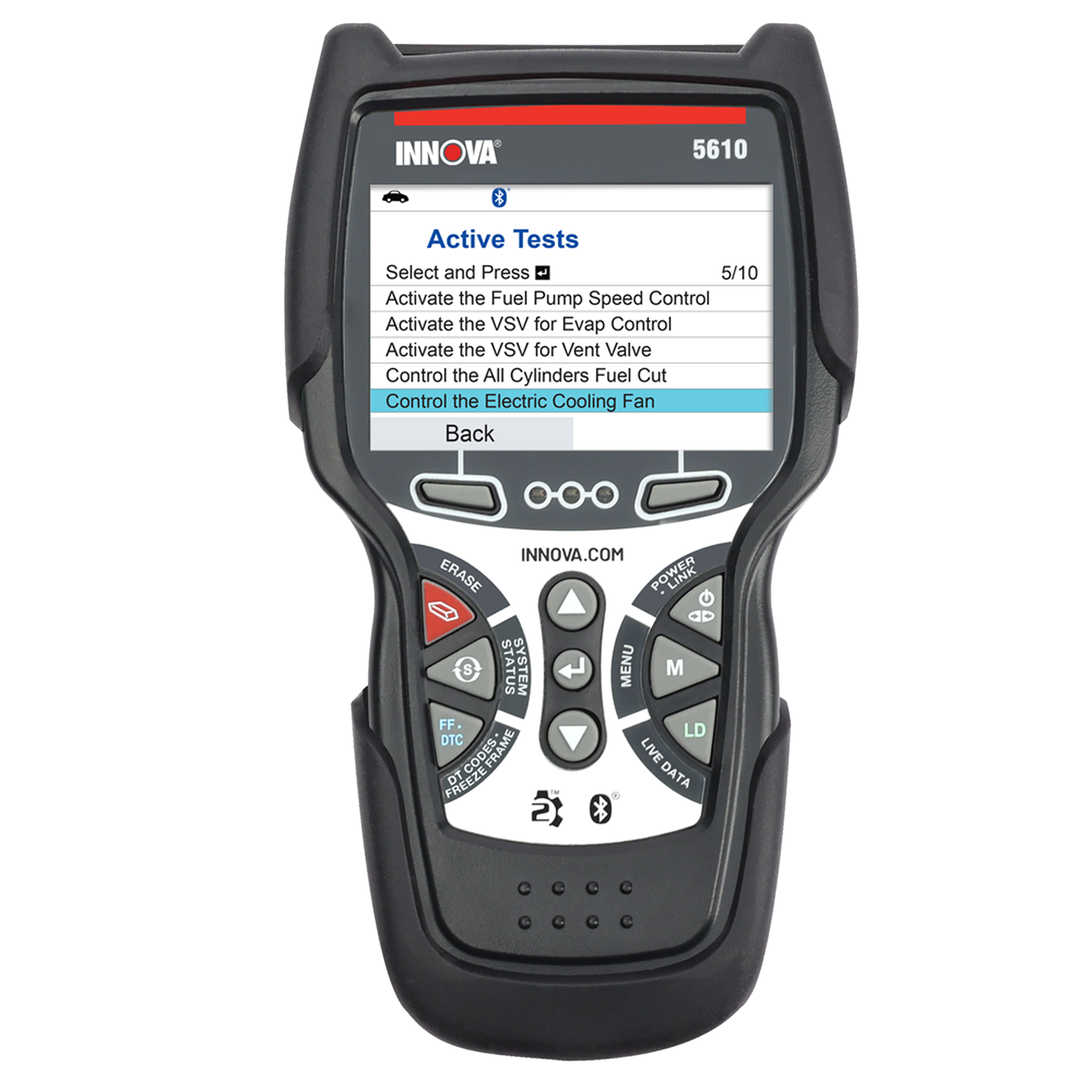
Use an OBD2 Scan Tool to retrieve any DTCs stored in the ECU. These codes can provide valuable insights into potential issues, such as faulty sensors, ignition timing problems, or fuel system malfunctions, which may be contributing to backfiring or loud exhaust noises.
Inspect the Ignition System
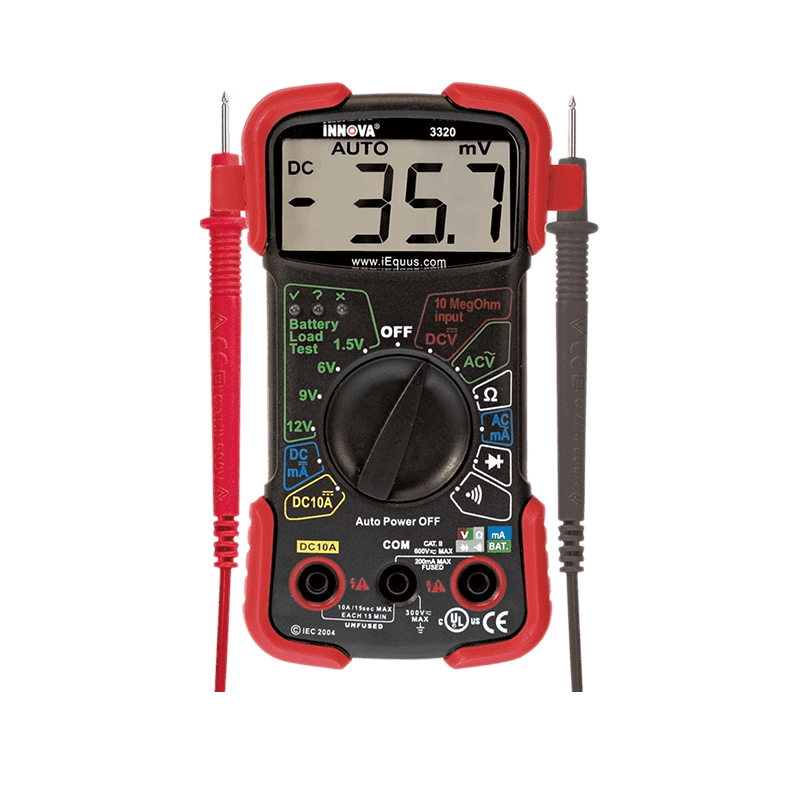
Faults in the ignition system are a frequent cause of backfiring. Start by examining the spark plugs for signs of wear, cracks, or carbon deposits. Clean or replace them as necessary. Test the ignition coils with a multimeter to ensure they are delivering adequate spark energy. Faulty ignition coils should be replaced promptly to restore proper combustion.
Fuel Delivery Test
Check the fuel system for proper operation. Listen for the fuel pump when the ignition is turned to the "ON" position; if it is silent, the pump may be faulty. Inspect the fuel injectors for blockages or leaks and clean or replace them as necessary. A clogged fuel filter can restrict fuel flow, so replace it if it shows signs of wear or is overdue for maintenance.
Verify Engine Timing
Engine timing issues can disrupt combustion and lead to backfiring. Check the ignition timing using a timing light and compare it to the manufacturer’s specifications. Inspect the timing belt or chain for wear or misalignment, as these components play a critical role in maintaining synchronization between the engine's valves and pistons.
Assess the Exhaust System
Exhaust system leaks or blockages can lead to loud noises and backfiring. Examine the exhaust manifold, pipes, and connections for cracks or loose fittings. Pay special attention to the catalytic converter—if it’s clogged or damaged, it can create excessive backpressure. Replace any faulty components as needed to restore proper exhaust flow.
Evaluate the Air Intake System
The air intake system plays a vital role in maintaining the correct air-fuel ratio. Inspect the MAF sensor for dirt or contamination and clean it with an appropriate cleaner. Check the intake manifold and hoses for vacuum leaks, which can disrupt the engine’s operation and cause backfiring. Address any leaks or sensor issues promptly.
Inspect Aftermarket Modifications
If your vehicle has aftermarket modifications, such as a high-flow exhaust or performance chips, these may be contributing to backfiring or excessive noise. Verify that the modifications are installed correctly and that they are compatible with the vehicle’s specifications. Revert to factory settings or replace poorly performing aftermarket components as necessary.
Preventative Tips
Regular Maintenance: Perform routine checks on spark plugs, ignition coils, fuel filters, and exhaust components such as the catalytic converter, muffler, and oxygen sensors. Additionally, inspect intake components including the air filter, throttle body, and intake manifold for blockages, leaks, or wear.
Use Quality Fuel: Poor-quality fuel can contribute to carbon buildup and improper combustion, leading to backfiring.
Choose Modifications Wisely: When installing aftermarket components, select products that are compatible with your vehicle’s specifications and ensure they are installed by experienced professionals.
Promptly Address Warning Signs: Investigate unusual noises, performance issues, or an illuminated Malfunction Indicator Light (MIL) to prevent further damage.
Conclusion
Backfiring or loud noises from the exhaust system are common symptoms that DIYers can often address with the proper knowledge and tools. By identifying and resolving issues in the ignition, fuel, air intake, exhaust systems, or aftermarket modifications, these problems can often be corrected. Regular maintenance and prompt attention to unusual sounds are vital for ensuring vehicle safety and performance. When in doubt, consult a professional mechanic for further assistance. Happy DIYing!
Please visit us at innova.com/support for additional information.
Technical Support
5 Days/ Week
Monday - Friday (6AM-6PM PST)
Phone (800) 544-4124
Email customercare@innova.com
Live Chat INNOVA.com
Explore Our Products

OBD2 Handheld Scanners

OBD2 Bluetooth Scanners

OBD2 Tablet Scanners

OBD1 Tools

Multimeters

Inspection Cameras
Have Questions?
Hop in the discussion board on our community site!
It's a place where we help each other answer questions. Like Reddit but for automotive lovers.

Looking for a car scanner?
Looking for a car scanner?
Take our quiz! It’s short, fun, and accurate.
Help Me Choose
